
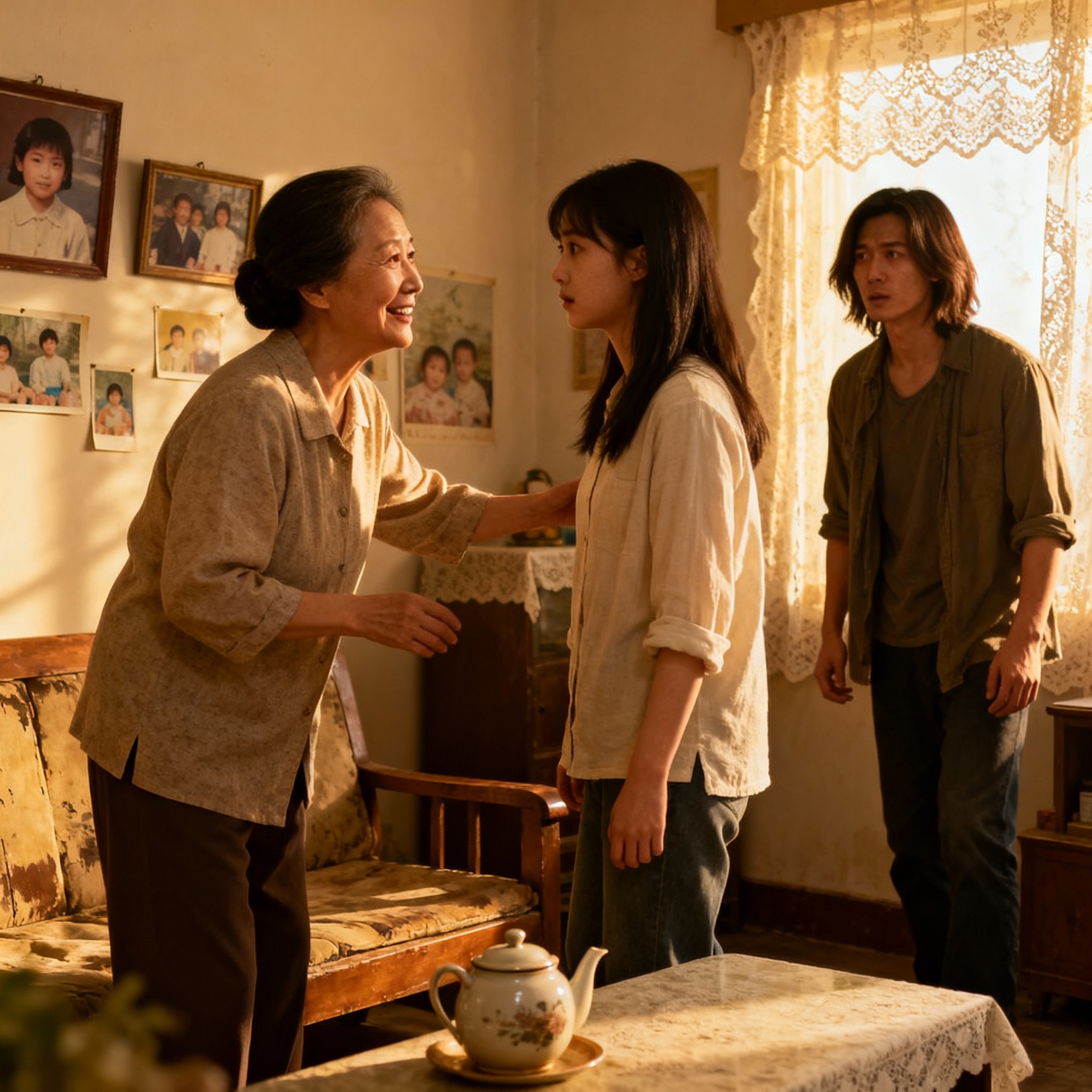
I was at my childhood home when my mother tried to give me advice about how to talk to my child’s father. She tried to talk to him and quickly understood why I don’t waste energy on speaking to him. She told me she understands now and mentioned something about his upbringing. His overbearing mother, who was depicted as a kind looking Asian mother, reached to hug me and I hugged her tightly in return when I remembered who I was hugging, and I felt a need to remove myself from her because I didn’t trust her and I’m wasn’t sure if she was trying to siphon my energy or put something on me. Then her son, who was now depicted as an Asian man with shoulder length hair, stepped towards me to hug me and I backed away. He started reaching towards me with the sole purpose to touch me or put something red onto me when u woke up trying to rebuke him.
Dreams often serve as reflections of our subconscious, revealing hidden feelings, unresolved conflicts, and complex relationships. In your dream, several key themes and symbols emerge, allowing for a deeper understanding of your emotions and current life situation.
The childhood home is a powerful symbol in dreams. It often reflects your foundational beliefs, memories, and relationships that have shaped who you are today. Being in this space suggests that you are revisiting past experiences and dynamics, particularly those related to family and childhood. This could indicate that you are processing familial relationships or unresolved issues that continue to impact your present life.
Your mother represents nurturing, guidance, and perhaps a sense of authority in your life. Her attempt to advise you about your child’s father showcases a desire for understanding and healing. The fact that she acknowledges the difficulties of communication with him signifies your need for validation. Her recognition of his problematic upbringing suggests that you may be grappling with the influences of family history on current behaviors, both in yourself and in your partner. This may indicate an awareness of patterns repeating in relationships, reminiscent of how familial roles and expectations play a significant role in adult life.
The depiction of your child's father’s mother as a kind-looking Asian figure suggests cultural elements associated with warmth and nurturing. However, the turn in emotions as you embrace her and then feel the need to pull away speaks to a conflict. You seem to sense an underlying distrust, perhaps due to past experiences or an intuition about her intentions. The idea of her “siphoning energy” may represent a fear of being overwhelmed or manipulated by someone who appears nurturing on the surface but harbors intentions that could be detrimental to your well-being.
Your child’s father appearing as an Asian man with shoulder-length hair emphasizes distinct characteristics that may symbolize both individuality and cultural representation. His approach towards you, coupled with your instinct to back away, likely signifies boundaries and the need to protect yourself from perceived emotional or psychological harm. The act of him attempting to put something red on you may symbolize a form of attachment or an unwanted influence that you instinctively reject, representing fears associated with his influence on your life or your child’s.
The emotional components of your dream indicate a protective instinct, both towards yourself and your child. Your feelings of needing to rebuke or remove yourself from these interactions suggest a strong desire to assert your own boundaries and maintain your autonomy in the face of potentially toxic relational dynamics.
Overall, this dream seems to express deep-seated feelings regarding family, communication struggles with your child’s father, and the complications of navigating relationships influenced by familial patterns. It underscores a need for clarity, autonomy, and the protection of your emotional energy. It may be worthwhile to reflect on these relationships in waking life, considering how family dynamics and historical patterns influence your present circumstances. Awareness of these elements can empower you to confront challenges and reinforce your boundaries, raising critical consciousness about who you allow into your emotional space and the impact they have on your well-being.